
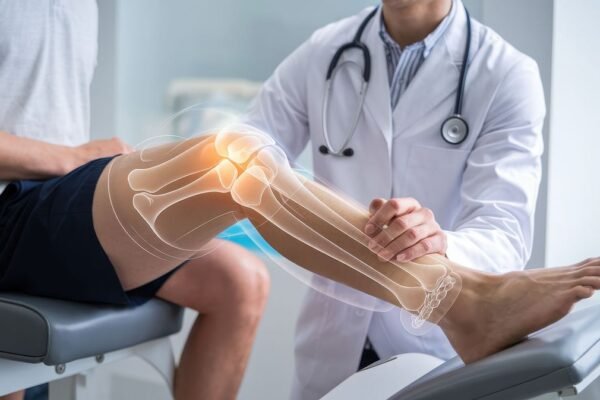

Knee Pain While Walking? Causes, Symptoms & Treatment
Knee pain is one of the most common orthopedic problems affecting people of all ages. Whether you’re a young athlete, a working professional, or a senior citizen, knee pain can significantly impact your daily activities and quality of life. If you experience discomfort while walking, climbing stairs, standing for long periods, or exercising, it may be time to consult an orthopedic specialist.
What Causes Knee Pain?
The knee is one of the largest and most complex joints in the body. It bears most of your body weight and is constantly involved in movement. Several conditions can cause knee pain, including:
1. Osteoarthritis
Osteoarthritis is a degenerative joint disease that occurs when the protective cartilage in the knee gradually wears away. It is one of the leading causes of knee pain in adults over 40.
2. Ligament Injuries
Sports injuries and sudden twisting movements can damage the knee ligaments, including the ACL, PCL, and MCL.
3. Meniscus Tears
The meniscus acts as a shock absorber between the thigh bone and shin bone. Tears can occur due to injury or age-related degeneration.
4. Tendonitis
Inflammation of the knee tendons often develops from repetitive movements such as running, jumping, or cycling.
5. Obesity and Excess Weight
Carrying extra body weight places additional stress on the knee joints, increasing the risk of pain and arthritis.
Common Symptoms of Knee Problems
You should not ignore the following symptoms:
- Persistent knee pain
- Swelling around the joint
- Stiffness, especially in the morning
- Difficulty walking or climbing stairs
- Clicking or grinding sounds in the knee
- Reduced range of motion
- Knee instability or weakness
If these symptoms continue for more than a few days, professional evaluation is recommended.
When Should You See an Orthopedic Doctor?
Many people assume knee pain is a normal part of aging. However, untreated knee problems can worsen over time and lead to mobility issues.
Consult an orthopedic specialist if you experience:
- Severe or worsening pain
- Difficulty bearing weight on the affected leg
- Swelling that does not improve
- Limited movement of the knee
- Pain affecting daily activities
Treatment Options for Knee Pain
The treatment depends on the underlying cause and severity of the condition. Common treatment options include:
Non-Surgical Treatments
- Activity modification
- Physiotherapy
- Weight management
- Pain-relieving medications
- Knee braces and supports
- Joint injections when necessary
Surgical Treatments
For advanced conditions, procedures such as arthroscopy, ligament reconstruction, or knee replacement surgery may be recommended.
Tips to Keep Your Knees Healthy
- Maintain a healthy body weight
- Stay physically active
- Strengthen leg muscles through exercise
- Wear proper footwear
- Avoid sudden twisting movements
- Seek early treatment for persistent pain
Conclusion
Knee pain should never be ignored, especially when it affects your ability to walk, work, or enjoy daily life. Early diagnosis and timely treatment can help prevent long-term joint damage and improve mobility. If you are experiencing persistent knee pain, consult an experienced orthopedic specialist for a comprehensive evaluation and personalized treatment plan.