Monthly Archives: November 2021

Why Regular Consultation with a General Physician Is Important for Long-Term Health

Why Regular Consultation with a General Physician Is Important for Long-Term Health

Many people visit a doctor only when they feel sick. However, healthcare is not just about treating illnesses—it’s also about preventing them. Regular consultation with a General Physician in Dwarka can help identify health risks early, monitor chronic conditions, and improve overall well-being.

A trusted physician acts as your primary healthcare partner, helping you make informed decisions about your health and lifestyle.

What Does a General Physician Do?

A General Physician is trained to diagnose, treat, and manage a wide range of medical conditions. They are often the first point of contact for patients experiencing health concerns.

A General Medicine Doctor in Dwarka can help with:

  • Fever and infections
  • Diabetes management
  • High blood pressure treatment
  • Thyroid disorders
  • Respiratory illnesses
  • Digestive problems
  • Preventive health screenings
  • Lifestyle-related diseases

Why Are Regular Physician Consultations Important?

1. Early Detection of Health Problems

Many diseases develop silently and show symptoms only at advanced stages.

Regular General Physician Consultation in Dwarka can help identify:

  • Diabetes
  • Hypertension
  • High cholesterol
  • Thyroid disorders
  • Vitamin deficiencies
  • Heart disease risk factors

Early diagnosis often leads to better treatment outcomes.

2. Preventive Healthcare

Preventive healthcare focuses on keeping you healthy rather than waiting for illness to occur.

Your physician may recommend:

  • Annual health checkups
  • Vaccinations
  • Blood tests
  • Lifestyle modifications
  • Nutritional guidance

3. Better Management of Chronic Diseases

Patients living with conditions such as diabetes, hypertension, asthma, or thyroid disorders require regular monitoring.

Routine consultations help:

  • Track disease progression
  • Adjust medications
  • Prevent complications
  • Improve treatment effectiveness

4. Personalized Health Advice

Every patient has unique health needs.

An experienced General Physician in Dwarka provides personalized recommendations based on:

  • Age
  • Medical history
  • Family history
  • Lifestyle habits
  • Existing health conditions

Common Reasons to Visit a General Physician

You should schedule a consultation if you experience:

Persistent Fatigue

Ongoing tiredness may indicate anemia, diabetes, thyroid disorders, or nutritional deficiencies.

Frequent Headaches

Recurring headaches may be linked to stress, hypertension, dehydration, or neurological conditions.

High Blood Pressure

Regular monitoring helps reduce the risk of heart attack and stroke.

Unexplained Weight Changes

Sudden weight gain or weight loss should be medically evaluated.

Digestive Problems

Persistent acidity, bloating, constipation, or abdominal discomfort may require medical attention.

Recurrent Infections

Frequent illnesses may indicate an underlying immune or metabolic issue.

Benefits of Routine Health Checkups

A Health Checkup in Dwarka provides several advantages:

✔ Early disease detection

✔ Better management of chronic illnesses

✔ Reduced healthcare costs

✔ Improved quality of life

✔ Increased life expectancy

✔ Better overall health monitoring

Important Health Screenings Your Physician May Recommend

Depending on your age and risk factors:

Blood Pressure Monitoring

Essential for cardiovascular health.

Blood Sugar Testing

Helps identify diabetes and prediabetes.

Cholesterol Screening

Assesses heart disease risk.

Thyroid Function Tests

Detects thyroid imbalances.

Complete Blood Count (CBC)

Evaluates overall health and identifies infections or anemia.

Liver and Kidney Function Tests

Monitors organ health.

When Should Adults Schedule Routine Checkups?

Health experts generally recommend:

  • Annual health checkups for healthy adults
  • More frequent visits for patients with chronic diseases
  • Immediate consultation for persistent symptoms

Adults above 30 years should prioritize preventive healthcare and routine monitoring.

How Regular Consultations Improve Long-Term Health

Patients who maintain regular contact with a Primary Care Doctor in Dwarka often benefit from:

  • Better disease prevention
  • Improved treatment outcomes
  • Reduced hospitalization risk
  • Enhanced health awareness
  • Better medication management

Tips for Maintaining Good Health

Along with regular physician visits:

✔ Follow a balanced diet

✔ Stay physically active

✔ Maintain a healthy weight

✔ Get adequate sleep

✔ Avoid smoking

✔ Limit alcohol consumption

✔ Manage stress effectively

Conclusion

Regular consultations with a General Physician in Dwarka are one of the most effective ways to maintain long-term health and prevent serious illnesses. From preventive screenings and chronic disease management to personalized healthcare advice, routine physician visits help ensure a healthier and more active life.

If you are looking for a trusted General Physician Consultation in Dwarka, schedule your appointment today and take a proactive step toward better health.

Robotic Knee Replacement Surgery: Benefits, Procedure & Recovery

Robotic Knee Replacement Surgery: Benefits, Procedure & Recovery

Knee pain caused by arthritis, joint degeneration, or injury can significantly affect your daily life. For patients suffering from severe knee arthritis, Robotic Knee Replacement Surgery has emerged as one of the most advanced treatment options available today.

Robotic-assisted technology allows orthopedic surgeons to perform knee replacement procedures with enhanced precision, helping improve joint alignment, reduce complications, and support faster recovery.

If you’re searching for Robotic Knee Replacement Surgery in Dwarka, understanding how this advanced technology works can help you make an informed healthcare decision.

What Is Robotic Knee Replacement Surgery?

Robotic Knee Replacement Surgery is an advanced form of joint replacement that combines the expertise of an experienced Orthopedic Surgeon in Dwarka with robotic-assisted technology.

Contrary to common belief, the robot does not perform the surgery independently. The surgeon remains in complete control throughout the procedure while the robotic system provides real-time guidance and highly accurate surgical planning.

This helps achieve better implant positioning and improved surgical outcomes.

Who May Need Robotic Knee Replacement?

You may be a candidate for robotic-assisted knee replacement if you experience:

  • Severe knee arthritis
  • Chronic knee pain
  • Difficulty walking
  • Knee stiffness
  • Joint deformity
  • Reduced mobility
  • Failure of non-surgical treatments
  • Persistent pain affecting daily activities

An experienced Knee Replacement Surgeon in Dwarka can determine whether robotic surgery is suitable for your condition.

Advantages of Robotic Knee Replacement Surgery

Enhanced Precision

Robotic systems create a detailed 3D map of the patient’s knee, allowing highly accurate implant placement.

Less Damage to Surrounding Tissue

The technology helps preserve healthy bone and soft tissues.

Improved Joint Alignment

Proper alignment contributes to better long-term implant performance.

Reduced Pain After Surgery

Many patients experience less postoperative discomfort compared to conventional techniques.

Faster Recovery

Accurate surgical planning often leads to improved rehabilitation and quicker return to daily activities.

Better Functional Outcomes

Patients may experience improved movement, flexibility, and overall satisfaction.

Conditions Treated with Robotic Joint Replacement

Robotic technology is commonly used for:

  • Knee Osteoarthritis
  • Advanced Arthritis
  • Joint Degeneration
  • Knee Deformities
  • Chronic Joint Pain
  • Failed Conservative Treatment

How the Procedure Works

Step 1: Preoperative Planning

Advanced imaging scans create a detailed digital model of the knee joint.

Step 2: Surgical Planning

The surgeon develops a personalized surgical plan based on the patient’s anatomy.

Step 3: Robotic-Assisted Surgery

During surgery, the robotic platform provides real-time guidance for precise bone preparation and implant placement.

Step 4: Implant Placement

The artificial joint components are positioned with high accuracy to improve joint function.

Recovery After Robotic Knee Replacement

Recovery varies from patient to patient, but many individuals experience:

  • Early mobilization
  • Reduced hospital stay
  • Less postoperative pain
  • Faster rehabilitation
  • Improved walking ability

Physiotherapy remains an important part of recovery and long-term success.

Tips for Faster Recovery

✔ Follow your orthopedic surgeon’s advice

✔ Attend physiotherapy sessions regularly

✔ Perform recommended exercises

✔ Maintain a healthy body weight

✔ Stay physically active

✔ Avoid excessive strain on the new joint

Is Robotic Knee Replacement Safe?

Yes. Robotic-assisted joint replacement is considered safe when performed by a trained and experienced Orthopedic Specialist in Dwarka.

The technology enhances precision but does not replace the surgeon’s expertise. The combination of advanced technology and surgical experience contributes to excellent outcomes.

When Should You Consult an Orthopedic Surgeon?

You should seek medical evaluation if:

  • Knee pain affects daily activities
  • Walking becomes difficult
  • Arthritis symptoms worsen
  • Pain persists despite medication and physiotherapy
  • Joint stiffness limits movement

Early consultation can help identify the most effective treatment options.

Conclusion

Robotic Knee Replacement Surgery represents a major advancement in orthopedic care. By combining surgical expertise with cutting-edge technology, robotic-assisted procedures offer improved precision, better implant positioning, reduced pain, and faster recovery.

If you’re experiencing severe arthritis or chronic knee pain, consult an experienced Orthopedic Surgeon in Dwarka to learn whether robotic-assisted knee replacement is the right option for you.

Knee Arthroscopy Surgery: Benefits, Procedure & Recovery Guide

Knee Arthroscopy Surgery: Benefits, Procedure & Recovery Guide

Persistent knee pain, swelling, instability, or sports-related injuries can significantly affect your daily activities and quality of life. When conservative treatments fail to provide relief, Knee Arthroscopy Surgery may be recommended as an effective and minimally invasive treatment option.

Modern orthopedic techniques have made knee arthroscopy one of the most commonly performed procedures for diagnosing and treating knee joint problems. If you’re searching for Knee Arthroscopy Surgery in Dwarka, understanding the procedure can help you make informed decisions about your treatment.

What Is Knee Arthroscopy?

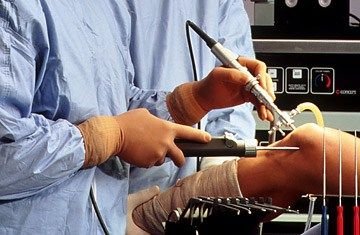
Knee arthroscopy is a minimally invasive surgical procedure that allows an Orthopedic Surgeon in Dwarka to examine and treat problems inside the knee joint using a small camera called an arthroscope.

The arthroscope is inserted through tiny incisions, providing a clear view of the knee structures without the need for large surgical cuts.

Conditions Treated with Knee Arthroscopy

Knee arthroscopy is commonly used to diagnose and treat:

Meniscus Tears

Damage to the knee cartilage caused by sports injuries or age-related degeneration.

ACL and Ligament Injuries

Anterior Cruciate Ligament (ACL) tears are common among athletes and active individuals.

Cartilage Damage

Worn or damaged cartilage can lead to pain, stiffness, and reduced mobility.

Loose Bone or Cartilage Fragments

Small fragments inside the joint can cause locking and discomfort.

Knee Joint Inflammation

Persistent inflammation that does not respond to medication or physiotherapy.

Sports Injuries

Many sports-related knee injuries can be effectively treated using arthroscopic techniques.

Symptoms That May Require Arthroscopy

You should consult a Knee Specialist in Dwarka if you experience:

  • Persistent knee pain
  • Swelling around the knee
  • Knee locking or catching
  • Difficulty walking
  • Reduced range of motion
  • Recurrent knee injuries
  • Joint instability
  • Pain during sports activities

Advantages of Knee Arthroscopy Surgery

Compared to traditional open surgery, arthroscopy offers several benefits:

Smaller Incisions

Tiny cuts reduce tissue damage and improve cosmetic outcomes.

Less Pain

Most patients experience less postoperative discomfort.

Faster Recovery

Recovery is generally quicker than conventional surgery.

Lower Risk of Infection

Smaller wounds reduce the risk of complications.

Short Hospital Stay

Many procedures can be performed as day-care surgeries.

How Is the Procedure Performed?

During arthroscopy:

  1. Small incisions are made around the knee.
  2. A tiny camera (arthroscope) is inserted.
  3. Images are displayed on a monitor.
  4. Specialized instruments are used to repair damaged structures.
  5. The incisions are closed with minimal sutures.

The procedure usually takes between 30 minutes and 2 hours depending on the condition being treated.

Recovery After Knee Arthroscopy

Recovery varies depending on the type of injury and treatment performed.

Most patients can:

  • Walk with support within a short period
  • Return to daily activities in a few weeks
  • Resume sports after proper rehabilitation

Physiotherapy plays an important role in strengthening muscles and restoring knee function.

Tips for Faster Recovery

✔ Follow your surgeon’s instructions

✔ Attend physiotherapy sessions regularly

✔ Avoid excessive strain on the knee

✔ Maintain a healthy body weight

✔ Perform prescribed rehabilitation exercises

✔ Keep follow-up appointments

When Should You Consult an Orthopedic Surgeon?

Seek expert evaluation if:

  • Knee pain persists despite treatment
  • You experience repeated sports injuries
  • Walking becomes difficult
  • Knee locking occurs frequently
  • MRI reports indicate ligament or meniscus damage

An experienced Orthopedic Specialist in Dwarka can determine whether arthroscopy is the right treatment option for your condition.

Conclusion

Knee arthroscopy is a safe, effective, and minimally invasive procedure that helps diagnose and treat a wide range of knee problems. With smaller incisions, faster recovery, and excellent outcomes, it has become a preferred treatment option for many patients suffering from knee injuries and joint disorders.

If you are experiencing chronic knee pain, sports injuries, or ligament damage, consult an experienced Orthopedic Surgeon in Dwarka for expert evaluation and personalized treatment.

Why Regular Health Checkups Are Essential for a Healthy Life

Why Regular Health Checkups Are Essential for a Healthy Life

In today’s busy lifestyle, many people visit a doctor only when they feel unwell. However, waiting for symptoms to appear can sometimes lead to delayed diagnosis and more complicated health problems. Regular health checkups are one of the most effective ways to maintain good health, identify potential risks early, and prevent serious diseases before they develop.

A routine consultation with a General Physician in Dwarka can help you stay informed about your health and take proactive steps toward a healthier future.

What Is a Regular Health Checkup?

A health checkup is a comprehensive medical evaluation that assesses your overall health status. It includes reviewing your medical history, lifestyle habits, vital signs, and laboratory tests to identify potential health concerns.

Regular screenings help detect conditions that may not show symptoms in the early stages, such as:

  • Diabetes
  • High blood pressure
  • Thyroid disorders
  • High cholesterol
  • Liver disease
  • Kidney problems
  • Vitamin deficiencies

Why Are Regular Health Checkups Important?

1. Early Detection of Diseases

Many chronic diseases develop silently. Conditions like diabetes, hypertension, and high cholesterol often remain unnoticed until complications occur.

Routine Health Checkups in Dwarka can help identify these problems early and allow timely treatment.

2. Prevention Is Better Than Cure

Preventive healthcare focuses on reducing the risk of illness before it develops. Lifestyle counseling, vaccinations, screening tests, and routine monitoring all contribute to long-term wellness.

3. Better Management of Existing Conditions

Patients with diabetes, hypertension, thyroid disorders, or heart disease require regular monitoring.

An experienced General Medicine Doctor in Dwarka can adjust medications and treatment plans based on your health status.

4. Monitoring Blood Pressure and Heart Health

High blood pressure is one of the leading causes of heart disease and stroke.

Regular checkups help monitor:

  • Blood pressure
  • Cholesterol levels
  • Heart health
  • Cardiovascular risk factors

5. Improved Quality of Life

Detecting health issues early often leads to simpler treatments, faster recovery, and better long-term outcomes.

Who Should Get Regular Health Checkups?

Everyone can benefit from preventive healthcare, but routine screenings are especially important for:

  • Adults over 30 years of age
  • Individuals with diabetes
  • Patients with hypertension
  • Smokers
  • Overweight individuals
  • People with a family history of chronic diseases
  • Senior citizens

Common Tests Included in a Health Checkup

A General Physician in Dwarka may recommend:

Blood Sugar Test

Helps detect diabetes and prediabetes.

Blood Pressure Monitoring

Evaluates cardiovascular health.

Lipid Profile

Measures cholesterol levels.

Complete Blood Count (CBC)

Checks for anemia, infections, and other blood disorders.

Thyroid Function Test

Identifies thyroid abnormalities.

Liver and Kidney Function Tests

Assesses organ health and function.

Vitamin Deficiency Screening

Detects deficiencies affecting overall health and energy levels.

Warning Signs You Should Not Ignore

Schedule a consultation if you experience:

  • Persistent fatigue
  • Frequent headaches
  • Unexplained weight changes
  • High blood pressure
  • Excessive thirst
  • Shortness of breath
  • Recurrent infections
  • Digestive problems

These symptoms may indicate underlying health issues requiring medical evaluation.

Benefits of Consulting a General Physician

A trusted General Physician Near Me can:

  • Provide preventive healthcare guidance
  • Diagnose common illnesses
  • Manage chronic diseases
  • Recommend lifestyle modifications
  • Coordinate specialist referrals when needed
  • Monitor long-term health goals

Tips for Staying Healthy

Along with routine checkups:

✔ Eat a balanced diet

✔ Exercise regularly

✔ Stay hydrated

✔ Get enough sleep

✔ Manage stress effectively

✔ Avoid smoking and excessive alcohol

✔ Follow prescribed medications

When Should You Schedule a Health Checkup?

Experts recommend:

  • Annual health checkups for healthy adults
  • More frequent visits for patients with chronic conditions
  • Immediate consultation if new symptoms develop

Regular monitoring helps ensure that health problems are identified and treated before complications occur.

Conclusion

Your health deserves attention even when you feel perfectly fine. Routine Health Checkups in Dwarka play a vital role in disease prevention, early diagnosis, and long-term wellness.

Consulting an experienced General Physician in Dwarka can help you stay on top of your health, manage risks effectively, and enjoy a healthier, more active life.

Why Regular Blood Tests Are Important for Early Disease Detection

Why Regular Blood Tests Are Important for Early Disease Detection

Many serious health conditions develop silently without causing noticeable symptoms in the early stages. Regular blood tests play a crucial role in identifying potential health problems before they become severe. Whether you are feeling healthy or managing an existing condition, routine blood testing is an essential part of preventive healthcare.

Consulting a General Physician in Dwarka for regular health screenings can help detect diseases early and improve treatment outcomes.

What Are Blood Tests?

Blood tests are laboratory investigations that provide valuable information about your overall health. They help doctors evaluate the functioning of different organs and identify abnormalities that may indicate disease.

Routine blood tests are often recommended during annual health checkups, especially for adults above 30 years of age.

Why Are Regular Blood Tests Important?

1. Early Detection of Diabetes

Diabetes often develops gradually and may not cause symptoms initially.

Blood tests can detect:

  • Elevated blood sugar levels
  • Prediabetes
  • Type 2 diabetes

Early diagnosis helps prevent complications affecting the heart, kidneys, eyes, and nerves.

2. Monitoring High Blood Pressure Risks

Although hypertension cannot be diagnosed through blood tests alone, blood investigations help assess the impact of high blood pressure on vital organs.

A General Medicine Doctor in Dwarka may recommend regular screening for patients with hypertension.

3. Identifying Thyroid Disorders

Thyroid imbalances can cause:

  • Weight changes
  • Fatigue
  • Mood disturbances
  • Hair loss
  • Irregular heart rate

Thyroid function tests help diagnose these conditions early.

4. Detecting Anemia

Anemia occurs when the body lacks sufficient healthy red blood cells.

Symptoms include:

  • Weakness
  • Dizziness
  • Fatigue
  • Shortness of breath

A Complete Blood Count (CBC) helps identify anemia and its severity.

5. Assessing Cholesterol Levels

High cholesterol increases the risk of:

  • Heart disease
  • Stroke
  • Cardiovascular complications

Routine lipid profile testing helps evaluate cardiovascular health.

Common Blood Tests Recommended by General Physicians

Complete Blood Count (CBC)

Evaluates:

  • Red blood cells
  • White blood cells
  • Hemoglobin
  • Platelets

Blood Sugar Test

Used to diagnose and monitor diabetes.

Lipid Profile

Measures cholesterol and triglyceride levels.

Thyroid Function Test

Evaluates thyroid gland performance.

Liver Function Test (LFT)

Assesses liver health.

Kidney Function Test (KFT)

Checks kidney performance and overall metabolic health.

Vitamin Deficiency Screening

Detects deficiencies of:

  • Vitamin D
  • Vitamin B12
  • Iron

Who Should Get Regular Blood Tests?

Health experts recommend routine testing for:

  • Adults over 30 years
  • Patients with diabetes
  • Individuals with hypertension
  • People with obesity
  • Smokers
  • Patients with a family history of chronic diseases
  • Individuals experiencing unexplained fatigue

Benefits of Regular Health Checkups

A comprehensive Health Checkup in Dwarka offers several benefits:

✔ Early disease detection

✔ Better disease management

✔ Reduced healthcare costs

✔ Improved quality of life

✔ Prevention of serious complications

✔ Personalized healthcare planning

How Often Should You Get Blood Tests?

The frequency depends on age, lifestyle, and medical history.

Generally:

  • Healthy adults: Once every year
  • Diabetic patients: Every 3–6 months
  • Hypertension patients: As advised by a physician
  • Senior citizens: Regular monitoring as recommended

When Should You Consult a General Physician?

You should schedule a consultation if you experience:

  • Persistent fatigue
  • Unexplained weight changes
  • Frequent infections
  • Dizziness
  • High blood pressure
  • Increased thirst or urination
  • Family history of chronic diseases

Conclusion

Regular blood tests are one of the simplest yet most effective ways to monitor your health and detect diseases early. From diabetes and thyroid disorders to anemia and cholesterol problems, routine screening can help prevent complications and support long-term wellness.

If you are looking for a Health Checkup in Dwarka or consultation with an experienced General Physician in Dwarka, schedule your preventive health screening today and take a proactive step toward better health.